

by Paul Charman
News that’s more “useful, interesting and fun” and less “repetitive, biased and negative” are key ways of winning back “the lost generation” of young people to traditional news publishers.
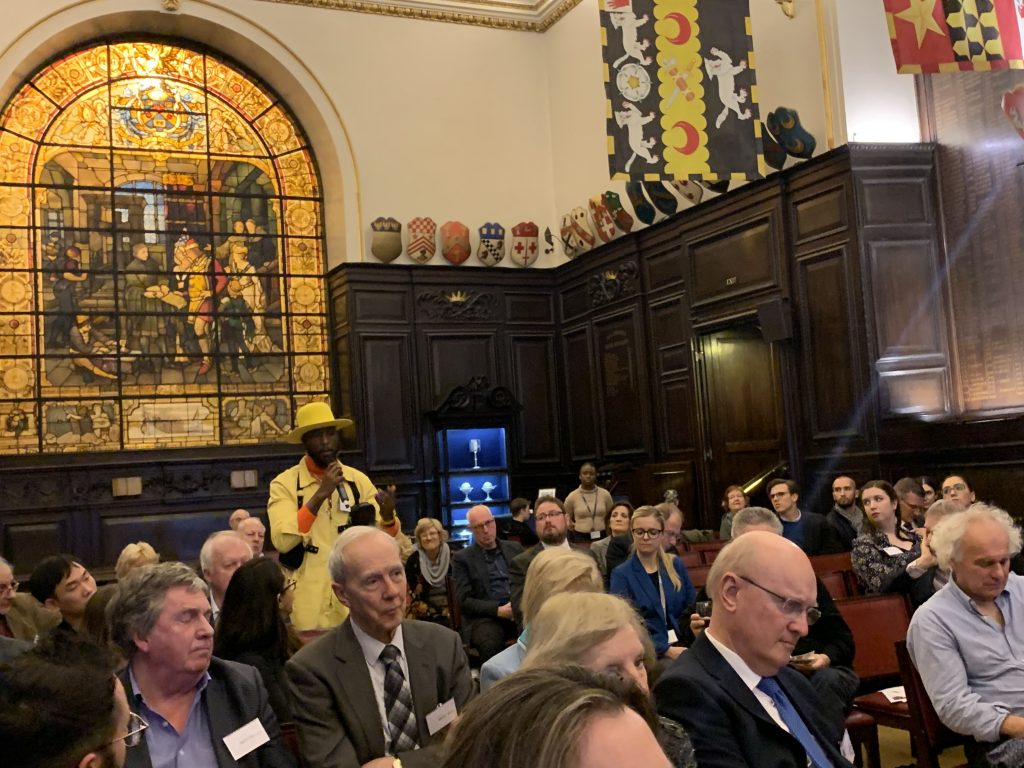
With alarming statistics from a new Reuters Institute study showing that only 3% of the so-called Generation Z – young people aged between 18-24 – spent time accessing online news, the question of what legacy publishers should do differently was discussed at a London Press Club debate at The Stationers’ Company, London, and chaired by BBC newscaster Samantha Symonds.
One of the “starkest stats” from the report, outlined by Nic Newman from Reuters Institute, was that Generation Z spent barely eight minutes a week reading online news websites during the recent general election.
“One of the core reasons we found was that while older groups saw it as a duty – part of the democratic process – to engage with news, younger people saw it as a chore”, said Newman, a pioneer of the BBCs website. “It seems there is always something more interesting on their smart phones, mostly on Snapchat, Instagram, YouTube and Facebook”.
The challenge was part of “the new attention economy”, according to panellist Paul Clarkson, managing editor of The Sun. “Never before have a generation had so many competing voices. At The Sun, it isn’t reach that’s the issue, we are already reaching massive numbers of Gen Z through social media platforms like Snapchat and Instagram – but they probably don’t know it.
“The base problem is how do we make money out it because while they are perfectly happy to pay for their Netflix Subscription but they are certainly not happy to pay for news”.
A younger perspective came from panellist Abbianca Makoni, an Evening Standard/Press Association trainee, who suggested publishers thought more about what media they used for news outlets, like short videos. More positive content – “not just about knife crime, but success stories from Generation Z people” – and recruiting more diverse journalists were also important.
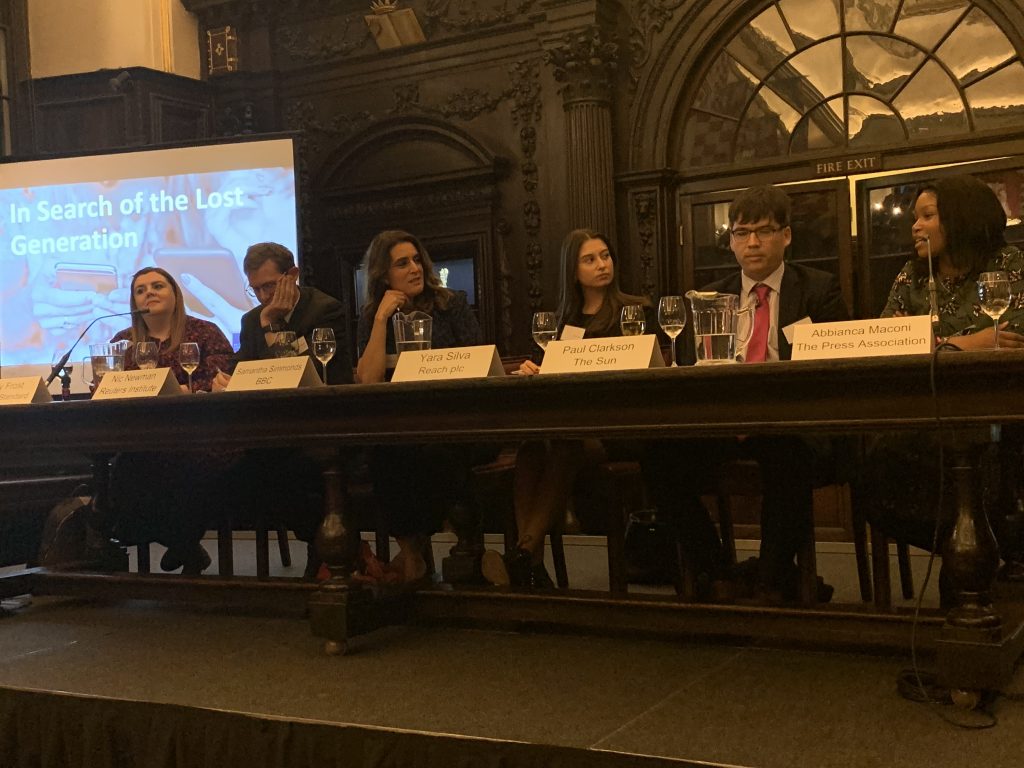
Yara Silva, Group Head of Socials at Reach Nationals, which includes the Daily Mirror, questioned the idea that social media apps were “not news”, arguing that most legacy publishers were already on Instagram.
“The question is not really have we lost Generation Z – because we didn’t really have them in the first place. And are we right in assuming that these teenagers will continue with these habits when they grow older. In my experience people don’t usually start reading newspapers until later,” she said.
Vicky Frost, editor of the Evening Standard’s Future London editorial project, said that while format and platforms were important, it was vital that “the core of our journalism is reaching a young audience who can see themselves as involved and reflected in our news values.” That meant employing more young journalists and investing in their stories.
In summary, the Reuters study urged traditional publishers to:
• Not just cover what people should know but what’s “useful, interesting and fun”
• Not to dumb down but make destinations more accessible, convenient and use more explainers
• Less repetition, bias and negativity that “the young hate”
• Cover more human stories with passion, fairness and hope, and not always find two sides to every story “for the sake of balance”
• Work with the moments young people have, creating content that fits them.
https://www.standard.co.uk/news/uk/london-press-club-reuters-under-35s-news-reading-a4358701.html

Paul Charman
After a career spanning 25 years as a reporter on national newspapers, Paul was head of journalism at the London College of Communication. Now a media trainer and consultant, he chairs the Cudlipp Trust organising the annual lecture on behalf of the London Press Club. He was a director of The Media Society and is a judge on the British Journalism Awards.

